
X-ray fluorescence (XRF) is one of the most reliable techniques for identifying the elemental composition of a material without destroying the sample. Handheld XRF analyzers enable testing, identification, and verification on the go across crucial industries, including mining, construction, environmental engineering, scrap metal recycling, and consumer goods inspections. They’re used to verify that oil and gas pipelines can withstand corrosion, that metal or elemental contaminants aren’t found in food or drink products, and that construction materials provide the expected strength and durability.
While this kind of testing was once limited to professional lab environments, these portable units allow for field use wherever it’s needed. Choose the right handheld XRF analyzer to avoid overpaying for unneeded features or missing out on essential durability. Match the analyzer model to your specific needs and industry with the help of Harper Surveying.
What Is a Handheld XRF Analyzer?
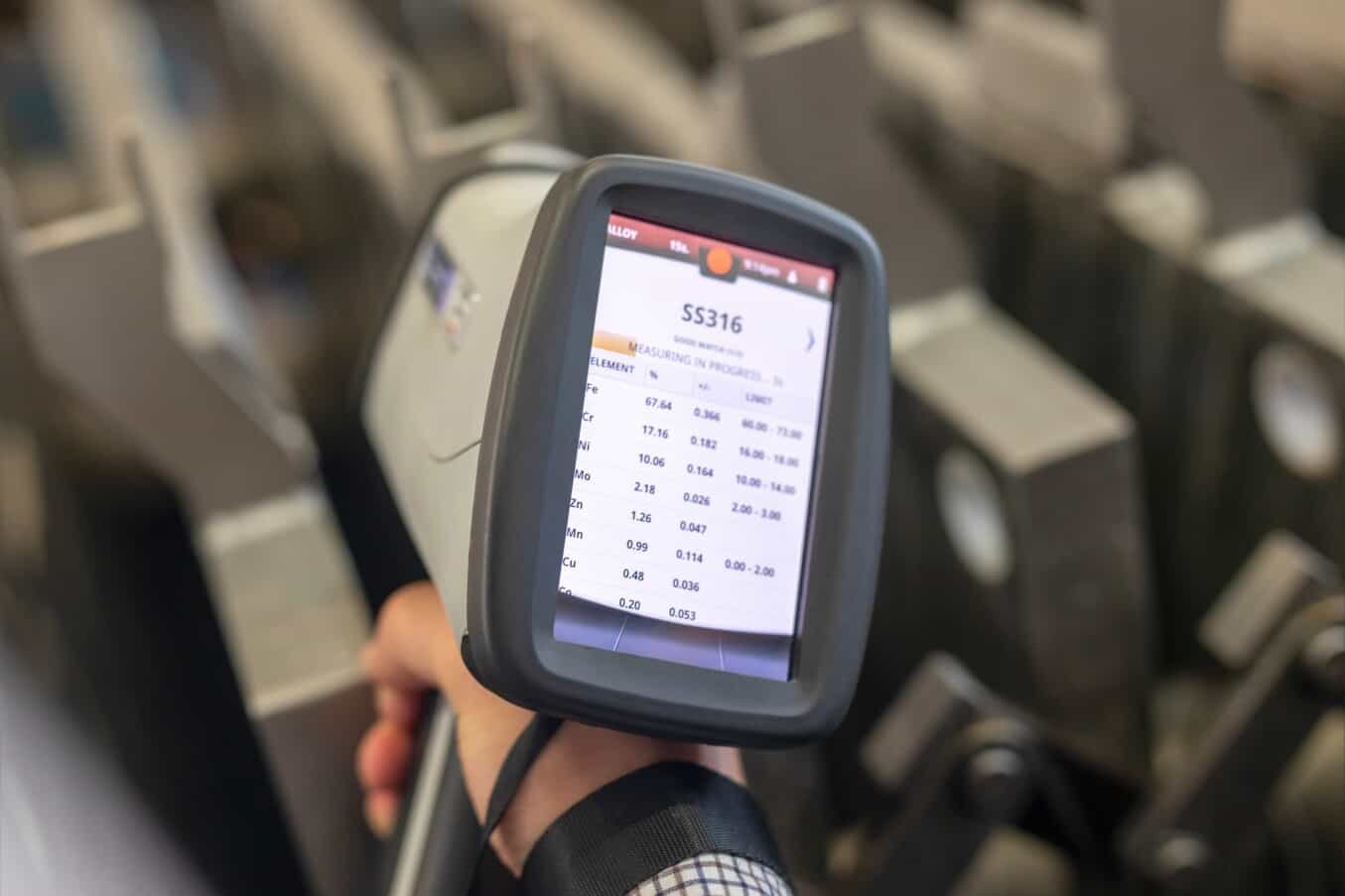
The handheld XRF analyzer relies on an X-ray beam to excite atoms in the sample. This sets off a chain reaction that leads to the movement of electrons between the various energy levels around the nucleus. When an electron moves down to fill in a gap, it releases protons. The detector on the XRF analyzer reads this. Since each mineral, metal, and element has a unique pattern of electron orbits, it’s possible to decipher exactly what’s in a particular material and even the percentages of each element.
Some of the benefits of the top handheld XRF analyzers for industrial use include:
- Quick results for rapid analysis without the need to send samples away
- Portable units for testing in the field and in production facilities
- Accurate elemental analysis even when dealing with challenging elements like aluminum and sulfur
- A non-destructive testing method that requires no removal of material
- Multiple levels of sensitivity and processing speed to meet all needs
Common Industries Using Handheld XRF Analyzers
Handheld XRF technology has transformed quality control and material verification across multiple sectors. Mining operations use these devices for rapid ore grade analysis, helping geologists make informed decisions about extraction and processing without waiting for lab results. Environmental consultants rely on portable XRF analyzers to assess soil contamination at remediation sites, detecting heavy metals like lead, arsenic, and mercury in real time to protect public health.
In the scrap metal recycling industry, handheld XRF analyzers have become essential for sorting and grading materials. Operators can quickly identify alloy compositions, separating valuable metals from lower-grade materials to maximize profitability. Manufacturing facilities depend on these tools for incoming material inspection and quality assurance, verifying that raw materials and components meet specifications before entering production lines.
Construction teams use handheld XRF analyzers to test concrete reinforcement bars, structural steel, and building materials for compliance with safety standards. Oil and gas companies deploy these devices for pipeline integrity inspections, identifying corrosion-resistant alloys and detecting material degradation before failures occur. Consumer product manufacturers use XRF technology to screen for restricted substances, ensuring compliance with regulations such as RoHS and preventing costly recalls due to contamination.
Key Factors to Consider When Choosing a Handheld XRF Analyzer
Consider which of these factors are most important to your scrap metal, mining, or production purposes to narrow down the top models.
Accuracy and Detection Limits
Industries with the highest demand for accuracy include precious metals grading facilities and producers of construction materials. Lower accuracy levels are often acceptable for scouting in mining and for XRF in consumer goods inspection. However, you may still need fine detection limits for these applications, depending on the risk factors and the volume of material to be tested.
Speed and Ease of Use
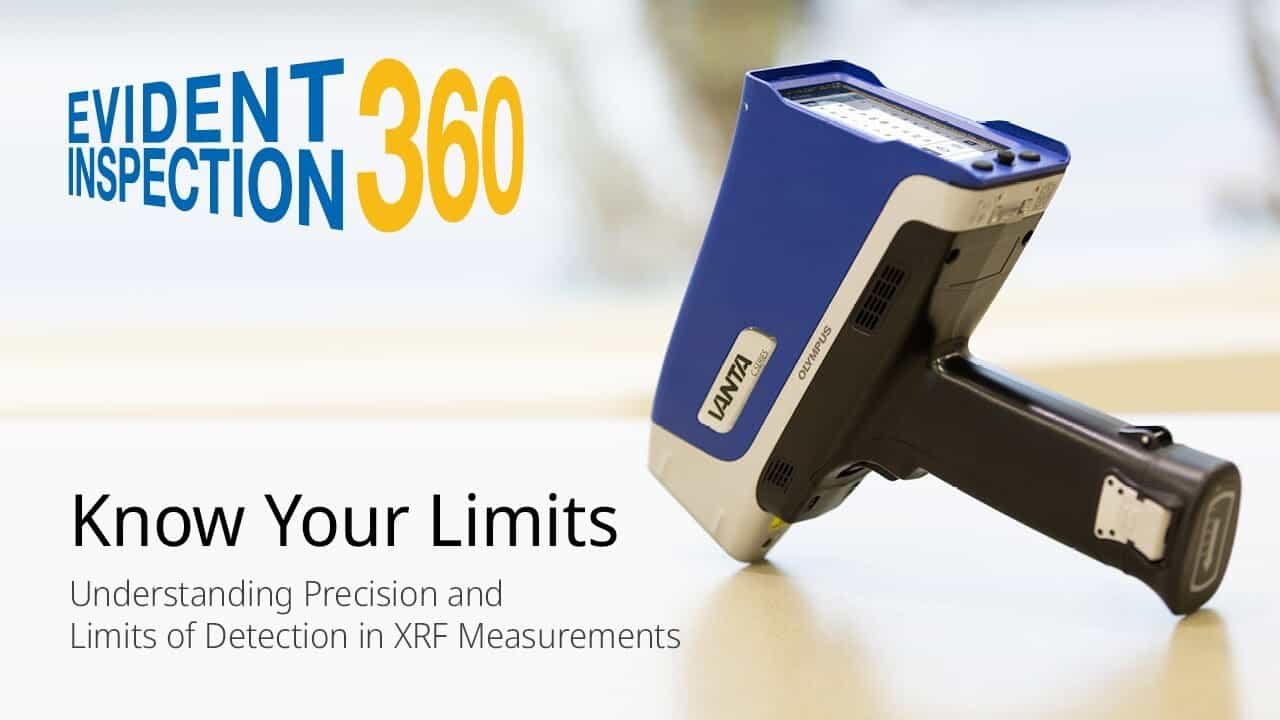
Speed is a must-have factor when analyzing materials that contain only trace amounts of a specific element, such as soil that’s been remediated for a major environmental or health hazard. It’s also helpful when covering long distances of pipeline or large amounts of construction materials that require testing.
Don’t forget ease of use as well. If technicians without a lot of extra training are expected to use the analyzer, choose a model that’s easy to program and sends off data with minimal extra work on their part.
Durability and Ruggedness (IP Rating)
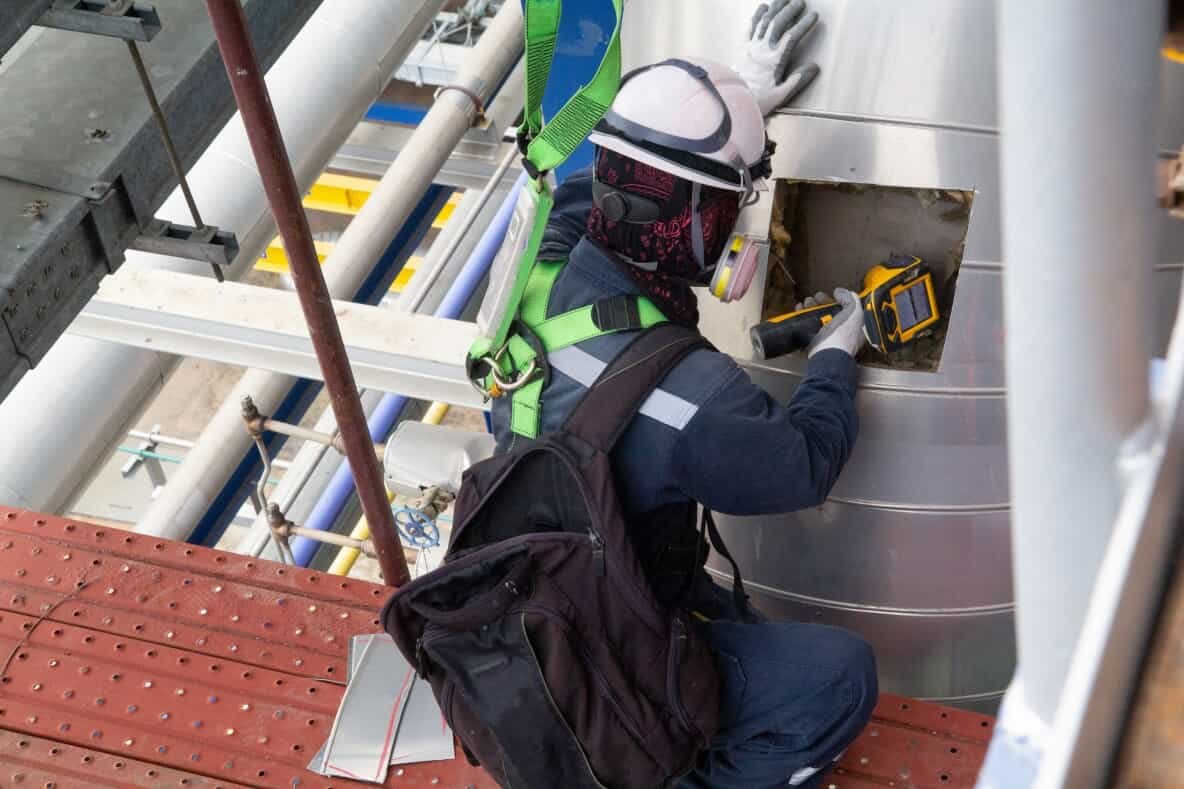
The IP rating of a Handheld XRF Analyzer tells you a lot about its general durability and ruggedness for field use. Rugged devices won’t just handle a drop better than more fragile models; some also perform better in damp, cold, and hot environments. Tough models ideal for mines and scrap metal yards will feature an IP rating of at least 54.
Battery Life and Portability
If you’re choosing a Handheld XRF Analyzer over a lab unit for portability, you’ll want a long battery life to ensure hours of uninterrupted work. For restoration or metal identification work that generally involves only a few readings at a time or per day, battery life and portability may not matter so much, providing a potential avenue for savings.
Software and Connectivity Options
The data produced by the analyzer will stay on the device until you transfer it to a computer, tablet, or other system. Look for a wide range of connectivity options to optimize this process, especially if you’re planning to generate hundreds of individual data points that all need tracking and organization.
Warranty and Support
Most manufacturers offer between one and three years of warranty coverage. A longer term gives you more protection for a major equipment investment. Ongoing support is even more crucial, especially if you don’t plan to upgrade your equipment regularly. Make sure the manufacturer you choose is committed to providing firmware and software updates for older analyzer models as needed.
Top 5 Handheld XRF Analyzers for 2026: Detailed Comparison
1. Bruker S1 Titan 600
Bruker S1 Titan 600 provides quick and accurate elemental analysis of many materials. It is helpful in mining and environmental testing.
Additionally, it ensures the safety of consumer products. The Bruker S1 Titan 600 is rugged and easy to use—a reliable tool for professionals who need quick material identification and on-site quality control.
Lightweight at just 1.5 kg (3.3 lbs), this durable handheld XRF analyzer for field use is a great all-around choice, though it’s limited in a few ways.
Features
- Large color touchscreen
- 50 kV X-ray tube
- TITAN detector shield to prevent damage to the sensitive equipment
- SDD with CUBE technology for very high count rates and excellent precision
- IP54-rated sealed housing to keep dust and moisture out
- Connectivity options include Bluetooth, Wi-Fi, and USB
- An optional integrated camera to visualize and pinpoint measurement spots for verification
- Bruker’s Instrument Toolbox software, which includes a report generator, grade table editor, spectrum viewer, and calibration support
Pros & Cons
PRO: Large area graphene SDD technology provides superior count rates and resolution compared to a PIN instrument.
CON: Many advanced features, such as the optical camera upgrade, are optional.
PRO: It is extra lightweight even with the battery in, and it comes with two batteries for seamless workflows.
CON: It has limited capacity to detect certain light elements without updated calibration packages, including beryllium and lithium.
Ideal Uses
The S1 Titan from Brucker works well for industrial metal turning and wire inspections due to the protection against detector damage. With its great response times for heavier elements, it’s a good fit for site remediation and pipeline inspection work as well.
Price Range
Around $6,000
2. Olympus Vanta Element
Easy to use for basic analysis tasks, the Vanta Element is affordable and a great way to get into the world of handheld XRF. It’s not the most powerful portable XRF analyzer for on-site testing listed here, but it’s fast and works well even with light elements. The rugged design and connectivity options make it an excellent fit for many industries and applications.
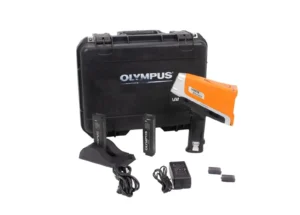
Features
- 2-watt X-ray tube with 35 kV tungsten (W) anode
- SDD design for rapid and accurate results
- A 1 GB microSD card for storing results or connecting a USB flash drive
- Wireless connectivity that is also available as an optional upgrade
- Connects with the Evident Connect cloud for data management
- IP54 rated against dust and moisture, drop tested to the MIL-STD-810G standard
Pros & Cons
PRO: It is highly affordable, easy to use, and provides rapid results for heavier elements.
CON: You’ll have to upgrade to the pricier Element-S model to gain access to light element detection for silicon, magnesium, and similar elements.
PRO: It is tough, with a stainless-steel faceplate to resist wear.
CON: It has more limited detection and connectivity features than similar models.
Ideal Uses
It can be used for small-scale soil analysis, less demanding construction material testing, rapid scrap yard sorting and grading, and jewelry and art material analysis.
Price Range
Around $4,200 to $4,800
3. Niton XL5 Plus Handheld XRF Analyzer
If you need an accurate analysis of both light and heavy elements in one compact and easy-to-carry package, the Niton XL5 Plus Handheld XRF Analyzer has those features. Obtain geochemical data to meet manufacturing demands, identify the purest mineral or alloy deposits, and detect faint traces of unwanted elements. Low detection limits and customizable element calibration packages deliver reliable results across a wide range of applications.
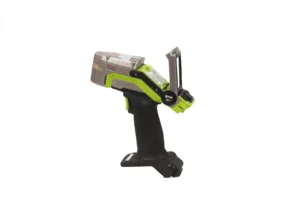
Features
- Micro and macro cameras
- A wide range of accessories built for specific industry needs, such as shields to increase accuracy and dust-resistant cases
- Powerful 5-watt X-ray tube and large area drift detector for accurate results even when testing for light elements
- Extra lightweight at 2.8 lbs (1.3 kg)
- Miniaturized nose profile that allows for closer access, improving the speed and accuracy of results
- Wi-Fi-enabled connectivity
- IP54 certified to be splash and dust proof
Pros & Cons
PRO: The lightweight design and high sensitivity make it an ideal handheld XRF analyzer for mining exploration and prospecting.
CON: Advanced light element detection may not be necessary for some industries.
PRO: Hot-swappable batteries allow you to keep working with fewer interruptions.
PRO: It has a 1 μm graphene-window drift detector, offering higher accuracy than other top models.
Ideal Uses
It can be used in mining, large-scale soil remediation, site preparation in construction, industrial settings that process or store oil, sludges, powders, and slurries.
Price Range
Around $6,000
4. Olympus Delta Premium DP-2000
When your construction or equipment manufacturing operation relies on precise alloy and light elemental analysis, the Olympus Delta Premium DP-2000 will be a good fit. It’s packed with features, from the large full-color touchscreen to the docking station for lab use.
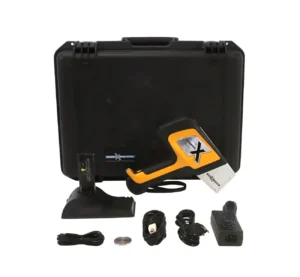
Features
- Includes both USB and Bluetooth connectivity
- 4W X-ray tube with Ag, Rh, Au, or Ta anode options based on the application
- Better suited to steel and other alloy identification because of integrated accelerometer and barometer features that provide atmospheric pressure corrections
- Includes a 1 GB MicroSD card to store up to 75,000 readings
- Hot swappable batteries that keep you moving
Pros & Cons
PRO: 360-degree indicator lights assist with safer operation.
CON: The high cost makes it out of budget for some applications.
PRO: The floating point processor handles more calculations in less time, allowing you to use more advanced calibration algorithms without slowing down analysis
CON: It is heavier than some other models.
Ideal Uses
It can be used in construction and industrial manufacturing, alloy metal production and recycling, and mining assessments.
Price Range
From $9,000 to over $16,000, depending on selected packages
5. HITACHI Oxford X-MET8000 Optimum
The HITACHI Oxford X-MET8000 Optimum is ideal for applications requiring elemental detection in materials such as powdered metals, polymers, and even wood. While it will also provide accurate results for soil, ores, and finished metal products, it’s unique in that it can handle a wider range of base materials.
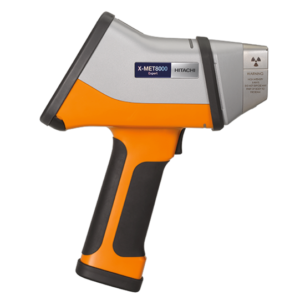
Features
- Chemical analysis that can be performed in under 5 seconds of elements ranging from Mg (12) to U (92) in the periodic table
- IP54 standard for dust and splash resistance
- Comes loaded with a library of 1600 alloy standards
- Available with 40kV or 50kV X-ray tubes
- Can identify shavings and powders without risking damage, thanks to the optional protection shield
Pros & Cons
PRO: It has low detection limits and can detect trace amounts of unwanted or desired elements.
CON: It only offers USB connectivity for data transfers
PRO: The 1.5 kg (3.3 lbs.) weight makes it comfortable to use.
CON: Features like a small-spot collimator and an integrated camera are optional.
Ideal Uses
It’s a reliable construction XRF analyzer for both worksites and production facilities, and it offers the light-element detection needed for consumer goods and art analysis.
Price Range
Around $6,000
How Harper Surveying Supports Your Purchase
Harper Surveying carries only the most trusted brands in XRF analysis, ensuring you receive reliable equipment backed by industry-leading manufacturers. Our commitment extends far beyond the initial sale, providing comprehensive support throughout your analyzer’s lifetime.

Expert Consultation and Product Selection
Our experienced team understands the nuances of different industries and applications. We take time to assess your specific testing requirements, working environment, and budget constraints before recommending the best handheld XRF analyzer for your needs. Whether you’re testing soil contamination at environmental sites or sorting alloys in a scrap yard, we match you with equipment that delivers optimal performance for your application.
Hands-On Demonstrations and Training
We offer product demonstrations that let you see analyzers in action before making a purchase decision. Our training programs ensure your team can operate equipment safely and efficiently from day one. We cover proper testing techniques, safety protocols, data interpretation, and routine maintenance procedures. This hands-on approach minimizes downtime and maximizes your return on investment.
Flexible Financing and Warranty Coverage
Recognizing that handheld XRF analyzers are a significant investment, we work with financing partners to offer flexible payment options that fit your budget. All equipment comes with comprehensive manufacturer warranties, and we assist with warranty claims to ensure the quick resolution of any issues. Our team helps coordinate repairs, calibrations, and technical support when needed.
Ongoing Technical Support and Calibration Services
Our after-sales support team remains available to answer questions, troubleshoot problems, and provide guidance on advanced features. We coordinate periodic calibration services to maintain accuracy and compliance with industry standards. Software updates and firmware upgrades are facilitated through our support network, keeping your analyzer up to date with the latest improvements and capabilities.
Contact Harper Surveying for accurate equipment quotes, personalized recommendations, and the reliable service that keeps your operations running smoothly. Our customer service team is ready to assist with any questions about XRF analyzers or related surveying equipment.
Frequently Asked Questions (FAQs)
How much does XRF cost in a lab?
Sending off samples often incurs fees of $120 to over $300 per XRF analysis. Investing in the best handheld XRF analyzer for your needs could lead to substantial savings after a short payback period.
Who can operate a handheld XRF device?
Any technician or worker, after learning a few simple steps, can safely operate these devices and send data wirelessly to skilled assessors.
How often does a handheld XRF analyzer need calibration?
Calibration frequency depends on usage intensity and accuracy requirements. Most manufacturers recommend annual calibration for general applications, but facilities performing critical quality control or regulatory testing may need quarterly or semi-annual calibration. High-volume operations should establish schedules based on readings performed. Regular verification using certified reference materials helps identify when recalibration is needed.
Are handheld XRF analyzers safe to use?
Modern handheld XRF analyzers incorporate multiple safety features to protect operators and bystanders. These devices emit X-rays only when the trigger is activated, and the nose is pressed firmly against the test material. Built-in sensors prevent X-ray emission if the analyzer is pointed at open air or living tissue. Safety interlocks, warning lights, and audible alerts provide additional protection. Operators should complete manufacturer-provided safety training and follow proper protocols, including using test stands when available and maintaining awareness of the analysis area.
What is the typical return on investment for a handheld XRF analyzer?
ROI varies based on your testing volume and application. Facilities performing 10 or more analyses weekly often see payback within 6 to 12 months relative to laboratory testing costs. Scrap metal operations typically recover costs even faster due to improved sorting efficiency and reduced material misidentification. Additional value comes from faster decision-making, reduced downtime waiting for lab results, and eliminated shipping costs. Environmental and construction projects benefit from on-site testing, which prevents delays and enables immediate response to contamination or material specification issues.
Can handheld XRF analyzers detect all elements?
Handheld XRF technology effectively detects elements from magnesium (Mg, atomic number 12) through uranium (U, atomic number 92) in the periodic table. However, detection capabilities vary by model. Entry-level analyzers may struggle with lighter elements such as magnesium, aluminum, and silicon, whereas premium models with higher-powered X-ray tubes and advanced detectors provide reliable analysis of light elements. Very light elements such as hydrogen, helium, lithium, and beryllium cannot be detected by XRF due to their atomic structure. Understanding your target elements helps determine which analyzer specifications meet your testing requirements.
What maintenance do handheld XRF analyzers require?
Routine maintenance is minimal but essential for long-term reliability. Clean the analyzer window regularly with manufacturer-approved materials to remove dust and debris that can affect accuracy. Inspect the protective window for damage, as cracks or scratches require immediate replacement. Keep firmware and software up to date through manufacturer releases. Store the analyzer in its protective case when not in use, and maintain the batteries according to the manufacturer’s guidelines. Annual factory calibration and periodic verification with certified reference standards ensure continued accuracy. Most issues can be prevented through proper handling and storage, and by following the manufacturer’s maintenance schedules.
Conclusion
Ready to find the perfect handheld XRF analyzer for your industry? You’ve got five great options for a durable handheld XRF analyzer for field use in 2026. If you’re still not sure which model is right for your application, call us at Harper Surveying. Explore our top-quality models now and get expert advice from Harper Surveying along with demos, quotes, and more.